Research
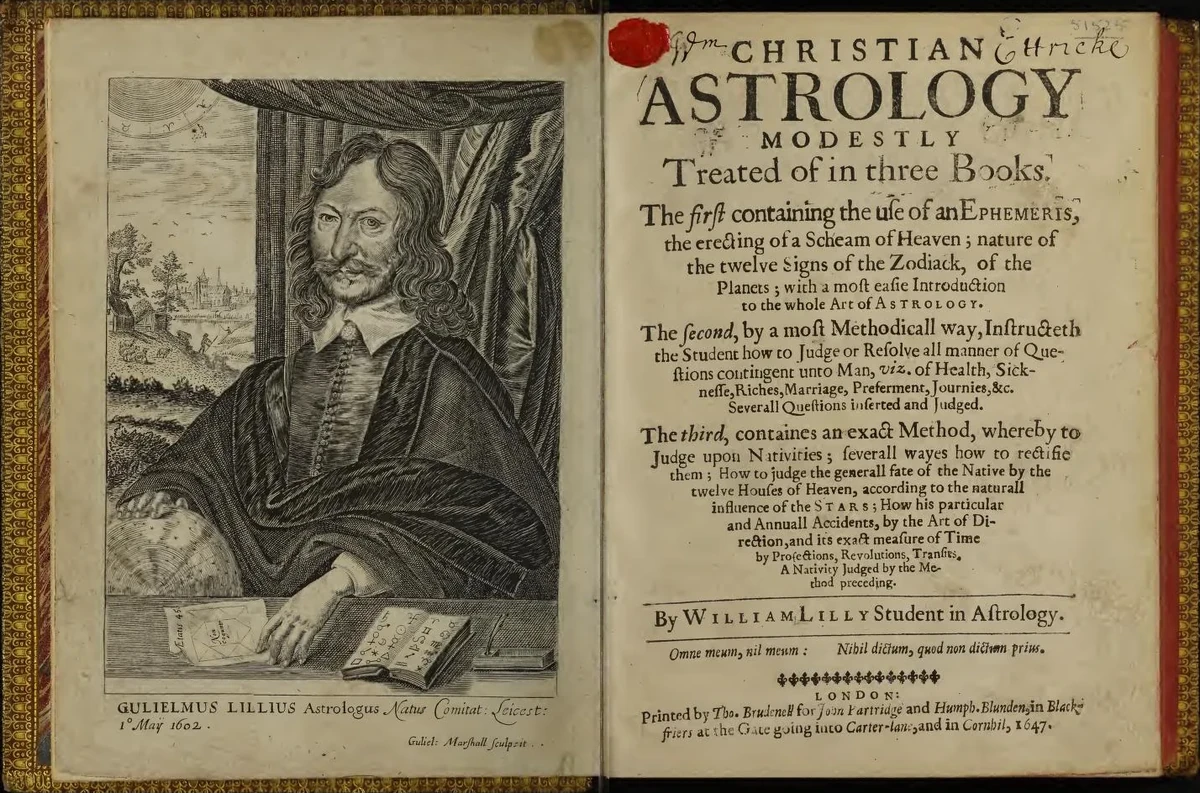
Alongside our main tools and music, we have a long-term research project running in the background. Modern technology is making something genuinely new possible: exploring and mapping the astrological tradition at a scale and depth that simply wasn’t achievable before.
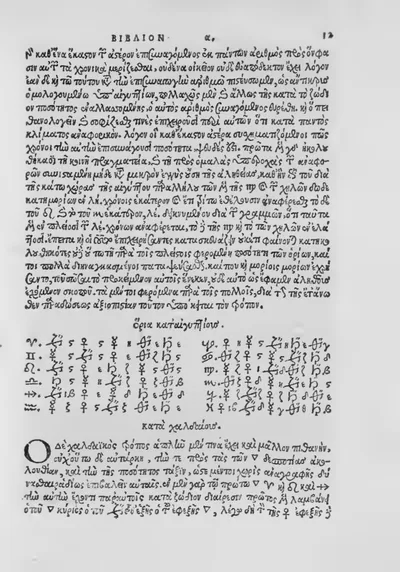
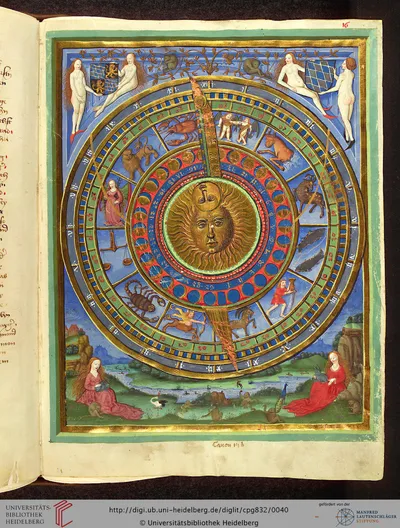
For centuries, astrology’s source texts have been fragmented — lost, translated across languages and cultures, and repeatedly reinterpreted. What most people encounter today reflects only part of a much older and more complex historical tradition.
What has changed is not only access to scans, translations, and searchable archives. Newer language and embedding tools let us represent meaning itself as something we can compare: passages, symbols, doctrines, and interpretive patterns can be placed into abstract mathematical spaces, where relationships that were previously invisible become possible to trace. That does not replace close reading, but it gives close reading a new instrument.
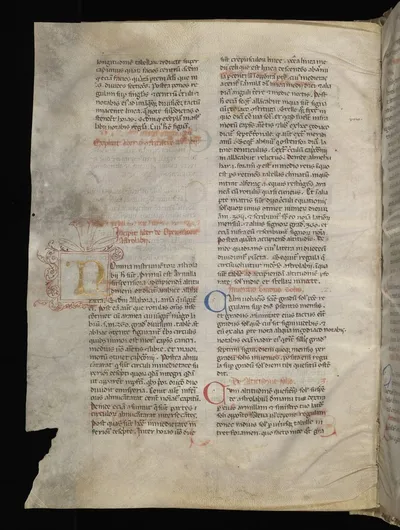
To explore these deeper currents, we have initiated a project to assemble and mine dozens of source texts spanning two thousand years, often in their original languages. Our goal isn’t to flatten history into a single generic consensus, but to preserve the friction. We want to map where the ancients, medievals, and moderns agreed, and more importantly where they diverged, allowing us to understand the archetypes we work with more deeply.
For the technically curious, here’s a brief look at how we’re approaching this:
Mapping this historical landscape is a long-term effort, and we intend to explore this space over time, weaving our growing understanding into the engine that powers everything we build.
Modern Understandings
Our research isn’t just about looking backward. We also want to deepen our understanding of what these archetypes mean today.
We are looking for fellow travelers to join us in this exploration. If you know this territory deeply, we’d love to hear how these ideas come alive and what makes them practical in your life and world.
A good place to start is our Music catalog, where this research meets its first public expression. In our Song Suggestion Feature, you can map a personal experience, an imbalance, or a moment of growth onto a specific astrological sign. That mapping is itself a form of collaboration: each human suggestion is a new data point that teaches us where the historical tradition is thin, or where the present is changing.
You can also find us here:


